
Hedgehog Highways in Commercial Landscaping
Supporting Biodiversity Through Practical Landscape Design in Plymouth & Devon
At this time of year, hedgehogs across Plymouth and the wider Devon area are emerging from hibernation and becoming more active. After months of inactivity, they begin to travel further in search of food, shelter and nesting sites. Hedgehogs can travel up to 2km in a single night, so access between connected green spaces is essential for their survival.
In built-up environments, that movement isn’t always straightforward. Fencing, walls and hard boundaries can restrict access between green spaces which is where simple features like hedgehog highways start to make a real difference.
Across Plymouth, Devon and the wider South West, biodiversity is becoming a core consideration in both residential and commercial developments. Planning requirements have shifted and with Biodiversity Net Gain (BNG) now in play, landscapes are expected to do more than just look good. They need to support wildlife too.
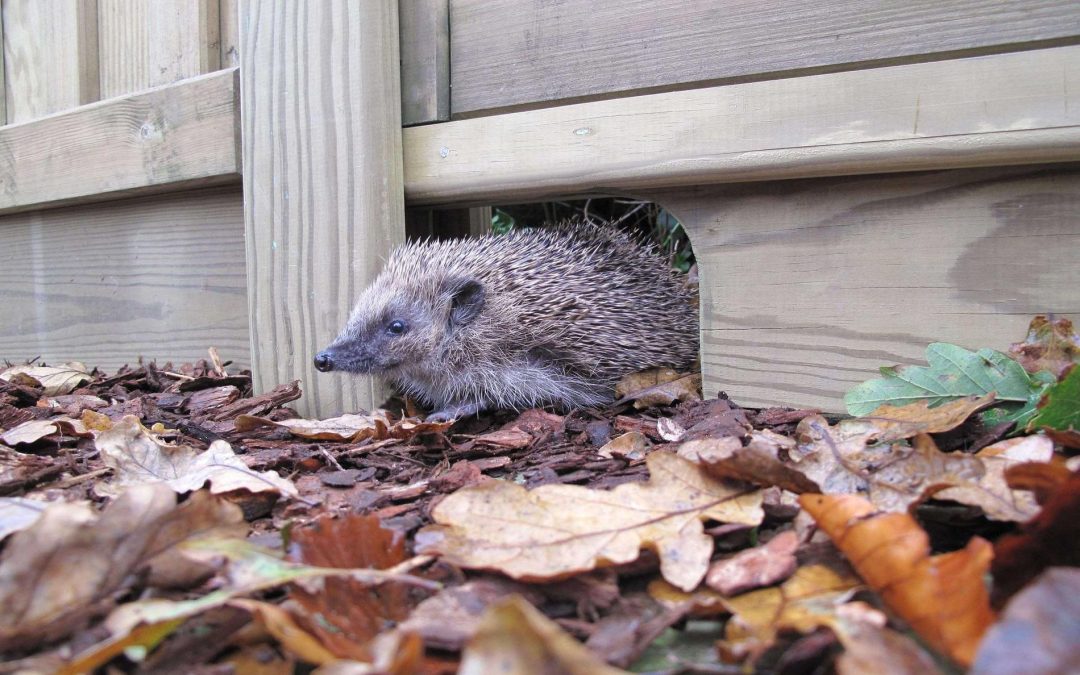
One simple but highly effective measure is the creation of hedgehog highways – small access routes that allow hedgehogs to move safely between green spaces.
What Are Hedgehog Highways?
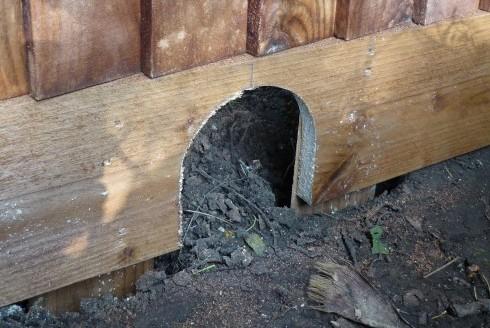
A hedgehog highway is a small opening, typically around 13cm x 13cm, created at ground level in fences or boundaries.
These gaps allow hedgehogs to move freely between gardens and green corridors. This is particularly important as hedgehogs are not territorial and naturally roam across large areas in search of food and mates.
In urban environments like Plymouth, habitat fragmentation is one of the biggest challenges. Continuous fencing, walls and hard boundaries can isolate populations, restricting access to food sources, shelter and breeding areas. Studies show hedgehogs rely on a network of connected gardens and green corridors, rather than isolated spaces, to forage and nest effectively.
Why Hedgehog Highways Matter in Modern Landscaping
Hedgehog numbers in the UK have declined significantly over recent decades, largely due to habitat loss and increasingly sealed urban environments.
From a landscaping and development perspective, hedgehog highways support:
- Habitat connectivity across fragmented urban sites
- Biodiversity Net Gain (BNG) objectives
- Local authority ecological requirements
- Sustainable, wildlife-friendly design principles
For developers and local authorities, incorporating features like this is no longer just a “nice to have”. It contributes to wider environmental compliance and adds long-term value to a site.
Where Hedgehog Highways Fit in Commercial Projects
Hedgehog highways can be integrated into a wide range of projects across Plymouth and Devon, including:
- Housing developments (rear garden boundaries and perimeter fencing)
- Public open spaces and green corridors
- Commercial landscapes with planted zones and soft landscaping
- Grounds maintenance sites where retrofitting may be possible
They are most effective when considered early in the design stage, so wildlife movement is built into the layout rather than added later.
In practice, this is where they’re often missed – once fencing layouts and boundary details are fixed, opportunities become much more limited.
Practical Design & Installation Considerations
From a contractor’s perspective, hedgehog highways are straightforward to deliver – but they do need to be done properly.
They’re simple, but often overlooked if they’re not picked up early in the design or fencing specification.
Key considerations include:
- Correct sizing (minimum 13cm x 13cm openings)
- Positioning at ground level to ensure accessibility
- Clear, unobstructed routes (not blocked by debris or planting)
- Consistency across boundaries to create continuous routes
- Coordination with fencing and boundary specifications
None of this is complicated – it just needs to be considered early enough to be built in properly.
In many cases, these openings can be incorporated into gravel boards or fence panels without affecting structural integrity or security.

Supporting Biodiversity Net Gain (BNG)
As Biodiversity Net Gain becomes a standard requirement for many developments, small features like hedgehog highways play a supporting role in delivering measurable ecological value.
They are not a standalone solution, but they contribute to:
- Species movement and survival
- Functional green infrastructure
- More connected, resilient landscapes – especially for species like hedgehogs that depend on movement between habitats to survive.
When combined with tree planting, native planting schemes and habitat creation, they form part of a wider ecological network across a site.
Landscaping as Ecological Infrastructure
Modern commercial landscaping is evolving.
Projects across Plymouth and Devon are increasingly expected to deliver:
- Visual quality
- Practical performance
- Environmental value
Hedgehog highways are a simple example of how landscapes can support all three – providing a functional ecological benefit without adding complexity or cost to a project.
In reality, they’re one of the easiest wins on a site when they’re planned in early.
Delivering Practical Biodiversity in Landscaping Projects
If you’re planning a development or managing a site across Plymouth or Devon, it’s often small details like this that make the difference – not just visually, but in how a site performs environmentally.
We work with developers, contractors and local authorities to deliver landscaping that is practical, compliant and built to perform, including the integration of ecological features where they add real value.